Munazza Sabuwala, Who Is Rapidly Making Her Mark On The Journey From Model To Actress

Munazza Sabuwala, who is rapidly making her mark on the journey from model to actress, will soon be seen by audiences in several new and exciting projects. In the coming months, she will showcase her acting talent in a reality show, a music video, and a television serial.

Munazza began her career as a model, always prioritizing self-reliance. In her early days, she worked a job to avoid depending on anyone for her needs. She used her earnings to get her photoshoots done and create her portfolio. This self-belief and hard work propelled her forward.

Following this, Munazza consistently worked on modeling assignments, ramp walks, print shoots, and advertising campaigns. She won the Miss Pune title and received several awards. She participated in many prestigious modeling shows not only in India but also abroad, establishing a unique identity for herself. After making a strong presence in the modeling industry, she is now starting a new and powerful chapter in her career as an actress.

Munazza believes that “when we dream a dream or set a goal, we should continuously work hard to achieve it, because those who try never fail.” This mindset is the greatest strength behind her success.

Extremely self-respecting, confident, and multi-talented, Munazza says that if she weren’t an actress, she would have definitely made her mark as a model, anchor, or reporter. Besides acting and being comfortable in front of the camera, she is also an excellent tarot card reader. She loves learning new things, which makes her personality even more special.

When it comes to cinema, she is a big fan of Sanjay Leela Bhansali and Karan Johar. She is very much attracted to Nora Fatehi’s dance style, while Katrina Kaif and Kareena Kapoor are among her favorite actresses. She aspires to play lively roles like those in the film Jab We Met and strong characters like Jasmeet in Namaste London. Munazza Sabuwala is a perfect blend of struggle, confidence, and talent—she is not only living her dreams but also becoming an inspiration for others through her hard work.


Munazza Sabuwala, Who Is Rapidly Making Her Mark On The Journey From Model To Actress

Actress -Model Munazza Sabuwala Is Consistently Worked On Modeling Assignments, Ramp Walks, Print Shoots & Advertising Campaigns

Munazza Sabuwala, who is rapidly making her mark on the journey from model to actress, will soon be seen by audiences in several new and exciting projects. In the coming months, she will showcase her acting talent in a reality show, a music video, and a television serial.

Munazza began her career as a model, always prioritizing self-reliance. In her early days, she worked a job to avoid depending on anyone for her needs. She used her earnings to get her photoshoots done and create her portfolio. This self-belief and hard work propelled her forward.

Following this, Munazza consistently worked on modeling assignments, ramp walks, print shoots, and advertising campaigns. She won the Miss Pune title and received several awards. She participated in many prestigious modeling shows not only in India but also abroad, establishing a unique identity for herself. After making a strong presence in the modeling industry, she is now starting a new and powerful chapter in her career as an actress.

Munazza believes that “when we dream a dream or set a goal, we should continuously work hard to achieve it, because those who try never fail.” This mindset is the greatest strength behind her success.

Extremely self-respecting, confident, and multi-talented, Munazza says that if she weren’t an actress, she would have definitely made her mark as a model, anchor, or reporter. Besides acting and being comfortable in front of the camera, she is also an excellent tarot card reader. She loves learning new things, which makes her personality even more special.

When it comes to cinema, she is a big fan of Sanjay Leela Bhansali and Karan Johar. She is very much attracted to Nora Fatehi’s dance style, while Katrina Kaif and Kareena Kapoor are among her favorite actresses. She aspires to play lively roles like those in the film Jab We Met and strong characters like Jasmeet in Namaste London. Munazza Sabuwala is a perfect blend of struggle, confidence, and talent—she is not only living her dreams but also becoming an inspiration for others through her hard work.


Actress -Model Munazza Sabuwala Is Consistently Worked On Modeling Assignments, Ramp Walks, Print Shoots & Advertising Campaigns

रत्नाकर कुमार, शिल्पी राज और माही श्रीवास्तव का भोजपुरी गाना ‘दिलवा में रखिहा’ पार किया तीन मिलियन व्यूज

फिल्म निर्माता रत्नाकर कुमार, भोजपुरी की फेमस सिंगर शिल्पी राज और भोजपुरी की बेस्ट एक्ट्रेस माही श्रीवास्तव की तीकड़ी नया कीर्तिमान स्थापित कर दिया है। जी हाँ! उनकी तिकड़ी में आया बिग ब्लास्ट भोजपुरी गाना ‘दिलवा में रखिहा’ रिलीज होते ही वायरल हो गया है और देखते ही देखते तीन मिलियन व्यूज यूट्यूब पर पार कर गया है। ये भोजपुरी गाना वर्ल्डवाइड रिकॉर्ड्स भोजपुरी के ऑफिसियल यूट्यूब चैनल पर रिलीज होते ही वायरल हो गया है। इस गाने के तीन मिलियन क्लब में शामिल होने पर सिंगर शिल्पी राज और एक्ट्रेस माही श्रीवास्तव ने जश्न मनाया है। बता दें कि इस गाने को पिक्चराइजेशन काफी रिच और महँगे क्लब में किया गया है, जोकि भोजपुरी गानों की मेकिंग के लिए बहुत बड़ी बात है। इसके वीडियो में दिखाया है कि माही श्रीवास्तव लेदर की जैकेट और हाफ पैंट पहने किसी क्लब में जाती हैं, जहाँ पर हॉट लुक में बहुत लड़कियां नकाब पहने इतराते हुए नजर आ रही है। डिस्को म्यूजिक पर माही श्रीवास्तव  ठुमका लगाते हुए कहती हैं कि…

‘केतनो डेरवइबा राजा केतनो धमकइबा हो, आइब ना बात में केतनो फुलाइबा हो, रहे वाली नइखे तोहसे डर के पिया, जदि चाही ले भलाई अपना घर के पिया, त दिलवा में रखिहा मेहर के पिया, न त मरि जाइब कुछ करिके पिया, त दिलवा में रखिहा मेहर के पिया…’

वर्ल्डवाइड रिकॉर्ड्स प्रस्तुत भोजपुरी गाना ‘दिलवा में रखिहा’ के निर्माता रत्नाकर कुमार हैं। इस गीत को सिंगर शिल्पी राज ने अलग अंदाज में गाया है।  एक्ट्रेस माही श्रीवास्तव ने वेस्टर्न और इंडियन लुक में अपनी कातिल अदाओं का जलवा बिखेरा है। डायरेक्शन टीम रावये फिल्म्स, डांसर्स लुक मनीषा टांक, आर्टिस्ट मेकअप इंद्रजीत दास, हेयर पीहू का है। आर्ट डायरेक्टर सोनू एसके, असिस्टेंट डायरेक्टर रवि थापा, रजत वैद और रितिका बीटीएस और स्टिल फोटोग्राफर सौरव हैं। लोकेशन एच एल वी फिल्म सिटी, कॉस्ट्यूम रजत मनचंदा का है।

इस गीत को लेकर सिंगर शिल्पी राज ने कहा कि ‘जब इस सांग को गाने आफर मेरे पास आया था तो इस गाने का बोल सुनकर तभी मुझे लगा था कि ये गाना तो हिट है बॉस। अब ये सांग ऑडियंस भर-भर कर अपना प्यार दे रहे हैं, इसके लिए सभी को दिल से थैंक्यू, साथ ही इतना बेस्ट सांग बनाने के लिए रत्नाकर कुमार सर को तहेदिल धन्यवाद!’

एक्ट्रेस माही श्रीवास्तव ने कहा कि ‘मनोरंजन से भरपूर यह लोकगीत तीन मिलियन व्यूज यूट्यूब पर पार कर गया है, यह मेरे लिए किसी जश्न से कम नहीं है। इस बिग ब्लास्ट भोजपुरी गाना में परफॉर्म करके मुझे बहुत खुशी मिली है। इतना बढ़िया लोकगीत बनाने के लिए रत्नाकर कुमार सर को दिल से धन्यवाद देती हूँ और भरपूर प्यार देने के लिए सभी ऑडियंस को दिल से धन्यवाद देती हूँ।’

तीन मिलियन व्यूज पार किया शिल्पी राज और माही श्रीवास्तव का वायरल भोजपुरी गाना ‘दिलवा में रखिहा’

तीन मिलियन व्यूज पार किया शिल्पी राज और माही श्रीवास्तव का वायरल भोजपुरी गाना ‘दिलवा में रखिहा’

फिल्म निर्माता रत्नाकर कुमार, भोजपुरी की फेमस सिंगर शिल्पी राज और भोजपुरी की बेस्ट एक्ट्रेस माही श्रीवास्तव की तीकड़ी नया कीर्तिमान स्थापित कर दिया है। जी हाँ! उनकी तिकड़ी में आया बिग ब्लास्ट भोजपुरी गाना ‘दिलवा में रखिहा’ रिलीज होते ही वायरल हो गया है और देखते ही देखते तीन मिलियन व्यूज यूट्यूब पर पार कर गया है। ये भोजपुरी गाना वर्ल्डवाइड रिकॉर्ड्स भोजपुरी के ऑफिसियल यूट्यूब चैनल पर रिलीज होते ही वायरल हो गया है। इस गाने के तीन मिलियन क्लब में शामिल होने पर सिंगर शिल्पी राज और एक्ट्रेस माही श्रीवास्तव ने जश्न मनाया है। बता दें कि इस गाने को पिक्चराइजेशन काफी रिच और महँगे क्लब में किया गया है, जोकि भोजपुरी गानों की मेकिंग के लिए बहुत बड़ी बात है। इसके वीडियो में दिखाया है कि माही श्रीवास्तव लेदर की जैकेट और हाफ पैंट पहने किसी क्लब में जाती हैं, जहाँ पर हॉट लुक में बहुत लड़कियां नकाब पहने इतराते हुए नजर आ रही है। डिस्को म्यूजिक पर माही श्रीवास्तव  ठुमका लगाते हुए कहती हैं कि…

‘केतनो डेरवइबा राजा केतनो धमकइबा हो, आइब ना बात में केतनो फुलाइबा हो, रहे वाली नइखे तोहसे डर के पिया, जदि चाही ले भलाई अपना घर के पिया, त दिलवा में रखिहा मेहर के पिया, न त मरि जाइब कुछ करिके पिया, त दिलवा में रखिहा मेहर के पिया…’

वर्ल्डवाइड रिकॉर्ड्स प्रस्तुत भोजपुरी गाना ‘दिलवा में रखिहा’ के निर्माता रत्नाकर कुमार हैं। इस गीत को सिंगर शिल्पी राज ने अलग अंदाज में गाया है।  एक्ट्रेस माही श्रीवास्तव ने वेस्टर्न और इंडियन लुक में अपनी कातिल अदाओं का जलवा बिखेरा है। डायरेक्शन टीम रावये फिल्म्स, डांसर्स लुक मनीषा टांक, आर्टिस्ट मेकअप इंद्रजीत दास, हेयर पीहू का है। आर्ट डायरेक्टर सोनू एसके, असिस्टेंट डायरेक्टर रवि थापा, रजत वैद और रितिका बीटीएस और स्टिल फोटोग्राफर सौरव हैं। लोकेशन एच एल वी फिल्म सिटी, कॉस्ट्यूम रजत मनचंदा का है।

इस गीत को लेकर सिंगर शिल्पी राज ने कहा कि ‘जब इस सांग को गाने आफर मेरे पास आया था तो इस गाने का बोल सुनकर तभी मुझे लगा था कि ये गाना तो हिट है बॉस। अब ये सांग ऑडियंस भर-भर कर अपना प्यार दे रहे हैं, इसके लिए सभी को दिल से थैंक्यू, साथ ही इतना बेस्ट सांग बनाने के लिए रत्नाकर कुमार सर को तहेदिल धन्यवाद!’

एक्ट्रेस माही श्रीवास्तव ने कहा कि ‘मनोरंजन से भरपूर यह लोकगीत तीन मिलियन व्यूज यूट्यूब पर पार कर गया है, यह मेरे लिए किसी जश्न से कम नहीं है। इस बिग ब्लास्ट भोजपुरी गाना में परफॉर्म करके मुझे बहुत खुशी मिली है। इतना बढ़िया लोकगीत बनाने के लिए रत्नाकर कुमार सर को दिल से धन्यवाद देती हूँ और भरपूर प्यार देने के लिए सभी ऑडियंस को दिल से धन्यवाद देती हूँ।’

तीन मिलियन व्यूज पार किया शिल्पी राज और माही श्रीवास्तव का वायरल भोजपुरी गाना ‘दिलवा में रखिहा’

Global Sovereignty Index Flags India’s Cognitive Deficit, Sparks Urgent Debate on Education and Knowledge Autonomy

India, December 16, 2025:  The release of the world’s first Sovereignty Index by the International Burke Institute, assessing all UN member states across political, economic, technological, informational, cultural, cognitive, and military dimensions, has sparked urgent debate on India’s education and knowledge autonomy.  Early findings on cognitive sovereignty have placed India under the spotlight.

The Index, unveiled on December 14, indicates that despite India’s demographic strength and economic momentum, the country needs further structural reforms to improve its ability to independently produce knowledge, nurture critical thinking, and control its intellectual and digital ecosystems. As per International Burk Institute ranking India occupies 24th rank in overall Index, however in  Cognitive Sovereignty Index, the country ranks 130th out of 193 countries.

The findings have triggered sharp commentary from education and knowledge-system experts. Commenting on India’s ranking, Priyanka Yadav, Vice President of ONEFUTURE and Director of Educational Policy Research for India–Israel Cooperation, and Gabriel Mart, Scientific Secretary of the International Burke Institute, argued that cognitive sovereignty needs to be treated as a national priority as it plays a crucial role in shaping ideas, narratives, and innovation in an increasingly competitive global order.

The Sovereignty Index evaluates how effectively nations cultivate independent thinking, critical reasoning, and control over their own knowledge ecosystems.  According to the Institute’s findings, India’s cognitive sovereignty indicators lag behind its economic and geopolitical ambitions, exposing vulnerabilities in education systems, digital knowledge infrastructure, and intellectual autonomy.

Commenting on the findings, Priyanka Yadav, an expert on education reform and cognitive sovereignty, said, “When a nation does not shape its own knowledge systems, it gradually surrenders its ability to shape its future. India needs to bridge sovereignty gap urgently.”

Post-pandemic assessments across multiple Indian states reveal that foundational learning outcomes remain weak, with large numbers of children unable to read or comprehend age-appropriate material. At the higher education level, skill-based studies show that only a fraction of graduates demonstrate critical reasoning and applied problem-solving abilities. Together, these indicators suggest a systemic issue rather than isolated failures.

Yadav emphasized that the roots of the challenge are historical as much as institutional. “India’s education structure still carries the imprint of colonial-era designs that prioritized compliance over curiosity. We have reformed policies and curricula over time, but the deeper architecture of how minds are trained has not fully shifted toward intellectual independence,” she said.

Gabriel Mart, an Israeli global public health researcher and Scientific Secretary of the International Burke Institute echoed this concern from a global perspective. “India possesses immense demographic and intellectual capital. Yet its education and information systems often reward rote performance rather than inquiry. Cognitive sovereignty depends on the ability to question, critique, and generate original knowledge — not simply to absorb it,” he said.

The Burke Institute’s analysis contrasts India’s trajectory with examples such as Uruguay, a smaller nation that has deliberately invested in cognitive infrastructure. Through its long-running Plan Ceibal initiative, Uruguay combined universal digital access with curriculum redesign, media literacy, and institutional autonomy. The result has been near-universal internet penetration, strong research concentration, and a population better equipped to navigate complex information environments.

For India, the irony is profound. Long before modern sovereignty indices existed, the subcontinent was a global center of cognitive autonomy. Ancient universities such as Nalanda, Takshashila, and Vikramashila attracted scholars from across Asia, operating as hubs of original research in philosophy, medicine, mathematics, astronomy, and statecraft. These institutions thrived on curricular freedom, pluralistic debate, and rigorous inquiry — principles that modern systems now seek to rediscover.

“India once exported knowledge rather than importing frameworks. Its scholars controlled both what was taught and how truth was evaluated. That is the essence of cognitive sovereignty,” Mart said.

The experts pointed out that colonial interventions dismantled much of this indigenous knowledge infrastructure, redirecting education toward administrative utility and epistemic dependence. According to Yadav, the long-term impact has been a shift from knowledge production to consumption. “What we see today is not just underinvestment in schools or technology. It is the cumulative effect of epistemic disruption that reduced India’s control over its own intellectual agenda,” she emphasized.

India’s National Education Policy (NEP) 2020 represents a meaningful attempt to reverse this trend by emphasizing multidisciplinary learning, critical thinking, and linguistic diversity. Both experts acknowledge its promise, while cautioning that policy intent must be matched by systemic reform in assessments, teacher training, and institutional incentives.

Beyond classrooms, the Burke Index flags emerging digital vulnerabilities. Limited household internet access, uneven teacher readiness in information and communication technologies, and reliance on foreign-controlled digital platforms raise concerns about who ultimately shapes India’s information environment.

“When a nation’s cognitive space is governed externally, sovereignty is diluted. This is not merely a technology issue; it is a strategic one,” Mart warned.

As the full Sovereignty Index is out now, experts stressed that India’s findings should be read not as a verdict, but as a call to action. With the world’s youngest population and a rich intellectual heritage, India has the capacity to reclaim cognitive leadership — provided it treats intellectual autonomy as a core pillar of national strategy.

“India’s future will be written not only in economic figures or diplomatic statements. Reclaiming cognitive sovereignty is not nostalgia — it is necessity,” Yadav concluded.

About the Authors

Priyanka Yadav

Vice President of ONEFUTURE; Director of Educational Policy Research for India–Israel Cooperation. Senior policy researcher focused on cognitive sovereignty, educational reform, and international collaboration in knowledge systems.

Gabriel Mart

Israeli global public health researcher and Scientific Secretary at the International Burke Institute, specializing in knowledge systems.


Global Sovereignty Index Flags India’s Cognitive Deficit, Sparks Urgent Debate on Education and Knowledge Autonomy


 

Global Sovereignty Index Flags India’s Cognitive Deficit, Sparks Urgent Debate on Education and Knowledge Autonomy

India, December 16, 2025:  The release of the world’s first Sovereignty Index by the International Burke Institute, assessing all UN member states across political, economic, technological, informational, cultural, cognitive, and military dimensions, has sparked urgent debate on India’s education and knowledge autonomy.  Early findings on cognitive sovereignty have placed India under the spotlight.

The Index, unveiled on December 14, indicates that despite India’s demographic strength and economic momentum, the country needs further structural reforms to improve its ability to independently produce knowledge, nurture critical thinking, and control its intellectual and digital ecosystems. As per International Burk Institute ranking India occupies 24th rank in overall Index, however in  Cognitive Sovereignty Index, the country ranks 130th out of 193 countries.

The findings have triggered sharp commentary from education and knowledge-system experts. Commenting on India’s ranking, Priyanka Yadav, Vice President of ONEFUTURE and Director of Educational Policy Research for India–Israel Cooperation, and Gabriel Mart, Scientific Secretary of the International Burke Institute, argued that cognitive sovereignty needs to be treated as a national priority as it plays a crucial role in shaping ideas, narratives, and innovation in an increasingly competitive global order.

The Sovereignty Index evaluates how effectively nations cultivate independent thinking, critical reasoning, and control over their own knowledge ecosystems.  According to the Institute’s findings, India’s cognitive sovereignty indicators lag behind its economic and geopolitical ambitions, exposing vulnerabilities in education systems, digital knowledge infrastructure, and intellectual autonomy.

Commenting on the findings, Priyanka Yadav, an expert on education reform and cognitive sovereignty, said, “When a nation does not shape its own knowledge systems, it gradually surrenders its ability to shape its future. India needs to bridge sovereignty gap urgently.”

Post-pandemic assessments across multiple Indian states reveal that foundational learning outcomes remain weak, with large numbers of children unable to read or comprehend age-appropriate material. At the higher education level, skill-based studies show that only a fraction of graduates demonstrate critical reasoning and applied problem-solving abilities. Together, these indicators suggest a systemic issue rather than isolated failures.

Yadav emphasized that the roots of the challenge are historical as much as institutional. “India’s education structure still carries the imprint of colonial-era designs that prioritized compliance over curiosity. We have reformed policies and curricula over time, but the deeper architecture of how minds are trained has not fully shifted toward intellectual independence,” she said.

Gabriel Mart, an Israeli global public health researcher and Scientific Secretary of the International Burke Institute echoed this concern from a global perspective. “India possesses immense demographic and intellectual capital. Yet its education and information systems often reward rote performance rather than inquiry. Cognitive sovereignty depends on the ability to question, critique, and generate original knowledge — not simply to absorb it,” he said.

The Burke Institute’s analysis contrasts India’s trajectory with examples such as Uruguay, a smaller nation that has deliberately invested in cognitive infrastructure. Through its long-running Plan Ceibal initiative, Uruguay combined universal digital access with curriculum redesign, media literacy, and institutional autonomy. The result has been near-universal internet penetration, strong research concentration, and a population better equipped to navigate complex information environments.

For India, the irony is profound. Long before modern sovereignty indices existed, the subcontinent was a global center of cognitive autonomy. Ancient universities such as Nalanda, Takshashila, and Vikramashila attracted scholars from across Asia, operating as hubs of original research in philosophy, medicine, mathematics, astronomy, and statecraft. These institutions thrived on curricular freedom, pluralistic debate, and rigorous inquiry — principles that modern systems now seek to rediscover.

“India once exported knowledge rather than importing frameworks. Its scholars controlled both what was taught and how truth was evaluated. That is the essence of cognitive sovereignty,” Mart said.

The experts pointed out that colonial interventions dismantled much of this indigenous knowledge infrastructure, redirecting education toward administrative utility and epistemic dependence. According to Yadav, the long-term impact has been a shift from knowledge production to consumption. “What we see today is not just underinvestment in schools or technology. It is the cumulative effect of epistemic disruption that reduced India’s control over its own intellectual agenda,” she emphasized.

India’s National Education Policy (NEP) 2020 represents a meaningful attempt to reverse this trend by emphasizing multidisciplinary learning, critical thinking, and linguistic diversity. Both experts acknowledge its promise, while cautioning that policy intent must be matched by systemic reform in assessments, teacher training, and institutional incentives.

Beyond classrooms, the Burke Index flags emerging digital vulnerabilities. Limited household internet access, uneven teacher readiness in information and communication technologies, and reliance on foreign-controlled digital platforms raise concerns about who ultimately shapes India’s information environment.

“When a nation’s cognitive space is governed externally, sovereignty is diluted. This is not merely a technology issue; it is a strategic one,” Mart warned.

As the full Sovereignty Index is out now, experts stressed that India’s findings should be read not as a verdict, but as a call to action. With the world’s youngest population and a rich intellectual heritage, India has the capacity to reclaim cognitive leadership — provided it treats intellectual autonomy as a core pillar of national strategy.

“India’s future will be written not only in economic figures or diplomatic statements. Reclaiming cognitive sovereignty is not nostalgia — it is necessity,” Yadav concluded.

About the Authors

Priyanka Yadav

Vice President of ONEFUTURE; Director of Educational Policy Research for India–Israel Cooperation. Senior policy researcher focused on cognitive sovereignty, educational reform, and international collaboration in knowledge systems.

Gabriel Mart

Israeli global public health researcher and Scientific Secretary at the International Burke Institute, specializing in knowledge systems.


Global Sovereignty Index Flags India’s Cognitive Deficit, Sparks Urgent Debate on Education and Knowledge Autonomy

 

VKDL NPA Advisory Council Led By V K Dubey Resolving Major Financial Cases Across India

New Delhi / Mumbai: The rapidly increasing burden of Non-Performing Assets (NPAs) has emerged as a serious challenge for India’s banking and financial system. At such a crucial time, VKDL NPA Advisory Council, led by Vinay Kumar Dubey, has established itself as a trusted and effective name in the field of financial resolution. Through its expertise and strategic approach, the council has successfully resolved several large and complex NPA cases across the country.

VKDL NPA Advisory Council has introduced balanced and practical solutions by acting as a bridge between banks, financial institutions, and business entities. These solutions have not only enabled effective recovery of outstanding dues but have also helped distressed businesses regain financial stability. The council’s work goes beyond recovery, focusing on a solution-oriented and rehabilitation-driven approach.

Experienced Team and Strategic Approach

The VKDL team comprises seasoned banking professionals, financial advisors, legal experts, and data analysts who conduct in-depth analysis of NPA cases to develop data-driven and legally sound strategies. Timely decision-making, transparency, and a deep understanding of banking laws form the cornerstone of the council’s operational methodology.

VKDL provides specialized services in areas such as the SARFAESI Act, loan restructuring, One-Time Settlement (OTS), recovery mechanisms, financial dispute resolution, and coordination between banks and borrowers. As a result, the council has achieved positive outcomes even in high-value and long-pending NPA cases.

Safeguarding the Interests of Businesses, Banks, and the Government

VKDL NPA Advisory Council believes that a sustainable solution to the NPA problem is possible only when the interests of business owners, financial institutions, and the government are protected simultaneously. The council’s objective is not limited to recovery alone; it also focuses on creating financial awareness, structured planning, and enabling businesses to resolve liabilities without losing their assets.

Nationwide Presence

VKDL is no longer confined to Delhi alone. It is actively operating in Mumbai, Lucknow, Bengaluru, Kolkata, and several other major cities across India. With a strong nationwide network, the council efficiently handles NPA cases of all scales—small, medium, and large.

Conferences and Awareness Programs

To enhance awareness, VKDL NPA Advisory Council regularly organizes conferences, seminars, and interactive meetings across different states. These initiatives help business owners and the general public understand the complexities of NPA-related issues and guide them on timely repayments, legal compliance, and avoidance of unnecessary litigation.

Chairman’s Statement

Speaking on the council’s mission, Vinay Kumar Dubey, Chairman and Managing Director of VKDL, stated:

“Our objective is to resolve NPA cases in a manner that allows businesses to recover and grow again, ensures timely recovery for financial institutions, and delivers rightful revenue to the government. Our experienced team and extensive national network enable us to efficiently handle NPA cases of every magnitude.”

Future Vision

Looking ahead, VKDL NPA Advisory Council aims to play a significant role in resolving more complex and high-value NPA cases in the coming years. The council aspires to emerge as a strong, reliable, and long-term partner in strengthening India’s financial ecosystem.

VKDL NPA Advisory Council Led By V K Dubey Resolving Major Financial Cases Across India

देशभर में कई बड़े वित्तीय मामले सुलझा रही है विनय कुमार दुबे की VKDL NPA Advisory Council

नई दिल्ली / मुंबई: देश में तेजी से बढ़ते Non-Performing Assets (NPA) आज बैंकिंग और वित्तीय व्यवस्था के लिए एक गंभीर चुनौती बने हुए हैं। ऐसे समय में वित्तीय समाधान के क्षेत्र में एक भरोसेमंद नाम बनकर उभरी है विनय कुमार दुबे के नेतृत्व वाली VKDL NPA Advisory Council, जिसने अपनी विशेषज्ञता और रणनीतिक कार्यप्रणाली के माध्यम से देशभर में कई बड़े और जटिल एनपीए मामलों को सफलतापूर्वक सुलझाया है।

VKDL NPA Advisory Council ने बैंक, वित्तीय संस्थानों और व्यापारियों के बीच संतुलन बनाते हुए ऐसे समाधान प्रस्तुत किए हैं, जिनसे न केवल बकाया वसूली संभव हुई है, बल्कि प्रभावित व्यापारियों को भी दोबारा वित्तीय स्थिरता प्राप्त करने का अवसर मिला है। परिषद का कार्य केवल वसूली तक सीमित नहीं है, बल्कि यह समाधान-आधारित और पुनर्वास-केंद्रित दृष्टिकोण पर काम करती है।

अनुभवी टीम और रणनीतिक दृष्टिकोण

VKDL की टीम में अनुभवी बैंकिंग विशेषज्ञ, वित्तीय सलाहकार, कानूनी विशेषज्ञ और डेटा-एनालिस्ट शामिल हैं, जो एनपीए से जुड़े मामलों का गहन अध्ययन कर डेटा-आधारित और कानूनी रूप से सुदृढ़ रणनीति तैयार करते हैं। परिषद की कार्यशैली में समयबद्ध निर्णय, पारदर्शिता और बैंकिंग कानूनों की गहरी समझ प्रमुख भूमिका निभाती है।

परिषद द्वारा SARFAESI Act, ऋण पुनर्गठन, One Time Settlement (OTS), वसूली प्रक्रिया, वित्तीय विवाद समाधान और बैंक-ग्राहक समन्वय जैसे विषयों पर विशेष रूप से काम किया जाता है। इसी कारण उच्च मूल्य और लंबे समय से अटके मामलों में भी सकारात्मक परिणाम सामने आए हैं।

व्यापारी, बैंक और सरकार—तीनों के हितों का संरक्षण

VKDL NPA Advisory Council का मानना है कि एनपीए समस्या का समाधान तभी स्थायी हो सकता है जब व्यापारी, वित्तीय संस्थान और सरकार—तीनों के हित सुरक्षित रहें। परिषद का उद्देश्य केवल बकाया राशि की वसूली नहीं, बल्कि व्यापारियों को जागरूक करना, सही वित्तीय योजना बनाना और उन्हें अपनी संपत्ति गंवाए बिना समाधान तक पहुँचाना है।

देशभर में विस्तार

वर्तमान में VKDL केवल दिल्ली तक सीमित नहीं है, बल्कि मुंबई, लखनऊ, बेंगलुरु, कोलकाता सहित देश के कई प्रमुख शहरों में सक्रिय रूप से कार्य कर रही है। विभिन्न राज्यों में फैले अपने मजबूत नेटवर्क के माध्यम से परिषद छोटे, मध्यम और बड़े—हर स्तर के एनपीए मामलों को दक्षता के साथ निपटा रही है।

जागरूकता के लिए कॉन्फ्रेंस और मीटिंग

VKDL NPA Advisory Council समय-समय पर विभिन्न राज्यों में कॉन्फ्रेंस, सेमिनार और इंटरएक्टिव मीटिंग्स का आयोजन भी करती है, ताकि व्यापारी और आम लोग एनपीए मामलों की जटिलताओं को समझ सकें। इन कार्यक्रमों के माध्यम से यह बताया जाता है कि किस प्रकार सही समय पर और सही प्रक्रिया अपनाकर बकाया भुगतान किया जा सकता है और कानूनी परेशानियों से बचा जा सकता है।

चेयरमैन का बयान

VKDL के चेयरमैन एवं मैनेजिंग डायरेक्टर विनय कुमार दुबे ने बताया कि,  “हमारा प्रयास है कि एनपीए मामलों का समाधान ऐसे तरीके से हो, जिससे व्यापारी भी दोबारा खड़े हो सकें, वित्तीय संस्थानों को उनकी राशि समय पर मिले और सरकार को भी उचित राजस्व प्राप्त हो। हमारी अनुभवी टीम और देशभर में फैला नेटवर्क हमें हर पैमाने के मामलों को सफलतापूर्वक निपटाने में सक्षम बनाता है।”

भविष्य की योजनाएँ

VKDL NPA Advisory Council आने वाले वर्षों में और अधिक जटिल और उच्च-मूल्य वाले एनपीए मामलों के समाधान में महत्वपूर्ण भूमिका निभाने की दिशा में अग्रसर है। परिषद का लक्ष्य है कि भारत की वित्तीय व्यवस्था को मजबूत करने में वह एक सशक्त और भरोसेमंद साझेदार के रूप में उभरे।

देशभर में कई बड़े वित्तीय मामले सुलझा रही है विनय कुमार दुबे की VKDL NPA Advisory Council

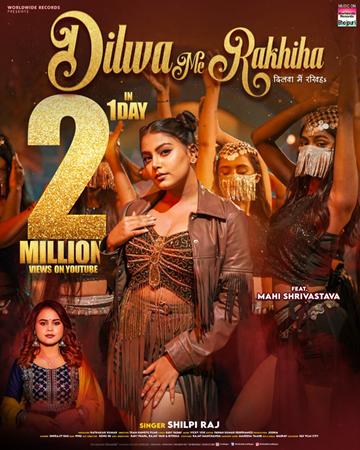
एक दिन में दो मिलियन व्यूज पार किया शिल्पी राज और माही श्रीवास्तव का वायरल भोजपुरी गाना ‘दिलवा में रखिहा’

भोजपुरी की फेमस सिंगर शिल्पी राज और भोजपुरी की बेस्ट एक्ट्रेस माही श्रीवास्तव की सुपरहिट जोड़ी में रिलीज हुआ बिग ब्लास्ट भोजपुरी गाना ‘दिलवा में रखिहा’ एक दिन में दो मिलियन व्यूज पार कर गया है। ये भोजपुरी गाना वर्ल्डवाइड रिकॉर्ड्स भोजपुरी के ऑफिसियल यूट्यूब चैनल पर रिलीज होते ही वायरल हो गया है। इस गाने के दो मिलियन क्लब में शामिल होने पर सिंगर शिल्पी राज और एक्ट्रेस माही श्रीवास्तव ने जश्न मनाया है। बता दें कि इस गाने को पिक्चराइजेशन काफी रिच और महँगे क्लब में किया गया है, जोकि भोजपुरी गानों की मेकिंग के लिए बहुत बड़ी बात है। इसके वीडियो में दिखाया है कि माही श्रीवास्तव लेदर की जैकेट और हाफ पैंट पहने किसी क्लब में जाती हैं, जहाँ पर हॉट लुक में बहुत लड़कियां नकाब पहने इतराते हुए नजर आ रही है। डिस्को म्यूजिक पर माही श्रीवास्तव  ठुमका लगाते हुए कहती हैं कि…

‘केतनो डेरवइबा राजा केतनो धमकइबा हो, आइब ना बात में केतनो फुलाइबा हो, रहे वाली नइखे तोहसे डर के पिया, जदि चाही ले भलाई अपना घर के पिया, त दिलवा में रखिहा मेहर के पिया, न त मरि जाइब कुछ करिके पिया, त दिलवा में रखिहा मेहर के पिया…’

वर्ल्डवाइड रिकॉर्ड्स प्रस्तुत भोजपुरी गाना ‘दिलवा में रखिहा’ के निर्माता रत्नाकर कुमार हैं। इस गीत को सिंगर शिल्पी राज ने अलग अंदाज में गाया है।  एक्ट्रेस माही श्रीवास्तव ने वेस्टर्न और इंडियन लुक में अपनी कातिल अदाओं का जलवा बिखेरा है। डायरेक्शन टीम रावये फिल्म्स, डांसर्स लुक मनीषा टांक, आर्टिस्ट मेकअप इंद्रजीत दास, हेयर पीहू का है। आर्ट डायरेक्टर सोनू एसके, असिस्टेंट डायरेक्टर रवि थापा, रजत वैद और रितिका बीटीएस और स्टिल फोटोग्राफर सौरव हैं। लोकेशन एच एल वी फिल्म सिटी, कॉस्ट्यूम रजत मनचंदा का है।

इस गीत को लेकर सिंगर शिल्पी राज ने कहा कि ‘जब इस सांग को गाने आफर मेरे पास आया था तो इस गाने का बोल सुनकर तभी मुझे लगा था कि ये गाना तो हिट है बॉस। अब ये सांग ऑडियंस भर-भर कर अपना प्यार दे रहे हैं, इसके लिए सभी को दिल से थैंक्यू, साथ ही इतना बेस्ट सांग बनाने के लिए रत्नाकर कुमार सर को तहेदिल धन्यवाद!’

एक्ट्रेस माही श्रीवास्तव ने कहा कि ‘मनोरंजन से भरपूर यह लोकगीत दो मिलियन व्यूज यूट्यूब पर पार कर गया है, यह मेरे लिए किसी जश्न से कम नहीं है। इस बिग ब्लास्ट भोजपुरी गाना में परफॉर्म करके मुझे बहुत खुशी मिली है। इतना बढ़िया लोकगीत बनाने के लिए रत्नाकर कुमार सर को दिल से धन्यवाद देती हूँ और भरपूर प्यार देने के लिए सभी ऑडियंस को दिल से धन्यवाद देती हूँ।’

रत्नाकर कुमार, शिल्पी राज और माही श्रीवास्तव का भोजपुरी गाना ‘दिलवा में रखिहा’ पार किया एक दिन में दो मिलियन व्यूज

शाहजहांपुर के देव करन सिंह को मिला वेबसीरीज सार्या में मुख्य किरदार

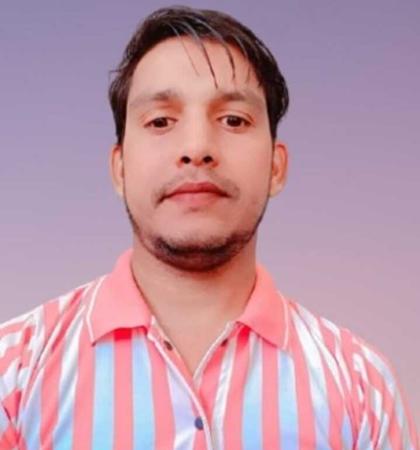
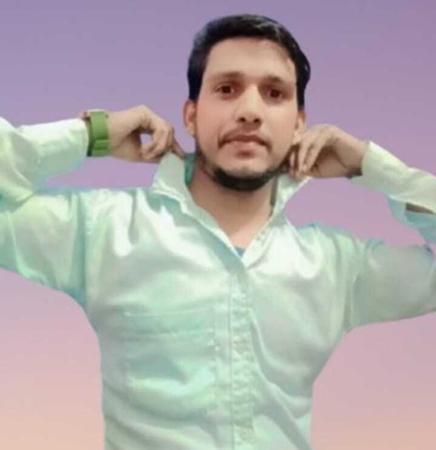
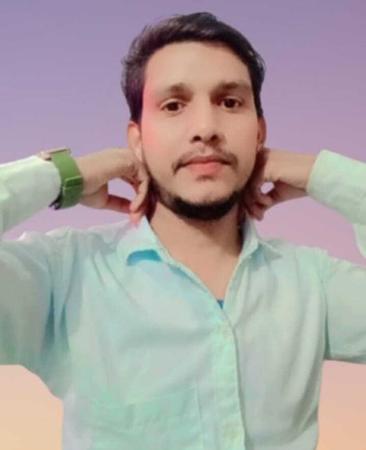
एक्टर देव करन वेबसीरीज सार्या में महत्वपूर्ण भूमिका निभा रहे हैं, देव करन ने बताया कि इस से पहले उन्होंने कई बार ऑडिशन दिया लेकिन सफलता नहीं मिली इसके बाद देव करन ने एक्टिंग क्लास ज्वाइन किया एक्टिंग की बारीकियां सीखीं और अब वेबसीरीज सार्या में अपने टैलेंट को दिखाने का मौका मिला है देव करन ने बताया कि अगर आप के अन्दर टैलेंट है तो आप को आगे बढ़ने से कोई नहीं रोक सकता और इसी वजह से पहले एक्टिंग की बारीकियां सीखीं और अब वेबसीरीज सार्या में महत्वपूर्ण भूमिका निभा रहे हैं शाहजहांपुर के रहने वाले देव करन बहुत जल्द ही रुपहले पर्दे पर नजर आएंगे

जो बहुत बड़े ओटीटी प्लेटफॉर्म पर रिलीज होगी इस प्रोजेक्ट को लेकर बहुत उत्साहित है और उन्हें पूरी उम्मीद है कि इस प्रोजेक्ट के बाद वो एक अलग पहचान बना पाएंगे

परिवार की उम्मीदों को पूरा करना ही जीवन का लक्ष्य रखा है यहां तक पहुंचने में पिता निर्मल सिंह का बहुत बड़ा योगदान है जो इस प्रोजेक्ट के मिलने से पूरा होता दिख रहा है

रीगल फिल्म्स द्वारा बन रही इस वेबसरीज़ के निर्माता निर्देशक विनोद कुमार ने बताया कि इस प्रोजेक्ट की शुटिंग दिल्ली और मुंबई में होगी इससे पहले भी निर्माता निर्देशक विनोद कुमार बहुत सारे फिल्म व टीवी सीरियलों का निर्माण कर चुके हैं आज वेबसीरीज के चलन के युग में उनकी जाल भी दर्शकों को पसंद आएगी


शाहजहांपुर के देव करन सिंह को मिला वेबसीरीज सार्या में मुख्य किरदार